



Scroll to explore


Snehal Shastri
Founder, Chief Analyst at Ridge Readers

8+
Years
Experience
250+
Assessments Done
2+
Research
Papers
100%
Certified
Precision
Meet Your Guide
Every fingerprint tells a story. My purpose is to help you read yours and unlock the potential within.
We rarely fail all at once. More often, we drift quietly, through doubt, wrong choices, pressure from expectations, and the exhausting feeling of not knowing what truly fits.
But confusion does not mean we lack potential. Often, it simply means we have been trying to move ahead without a clear enough understanding of ourselves.
For over eight years, I have worked with this understanding at the centre, helping people make sense of their strengths, patterns, and direction with greater clarity and less fear. My approach is shaped by experience across career and education counselling, DMIT and psychometric analysis, and music therapy, bringing together structured insight with a deeply human lens.
I am an NSDC Certified Career and Education Counsellor, a Mindpriests Research & Development certified DMIT and Psychometric Analyst, and a NADA Centre for Music Therapy certified Music Therapist.
My work has also extended into research and writing, including an article on “Indian Music Therapy and Multiple Intelligence Theory,” published in Indian Music Therapy – From Aesthetics to Therapeutics by IMTA.
Expertise & Credentials
 NSDC Certified
- DMIT Analyst
- Psychometric Analyst
- Music Therapist

 NSDC Certified
 DMIT Analyst
 Psychometric Analyst
 Music Therapist
Rigorous Profiling Services
Advanced DMIT (Dermatoglyphics Multiple Intelligence Test)
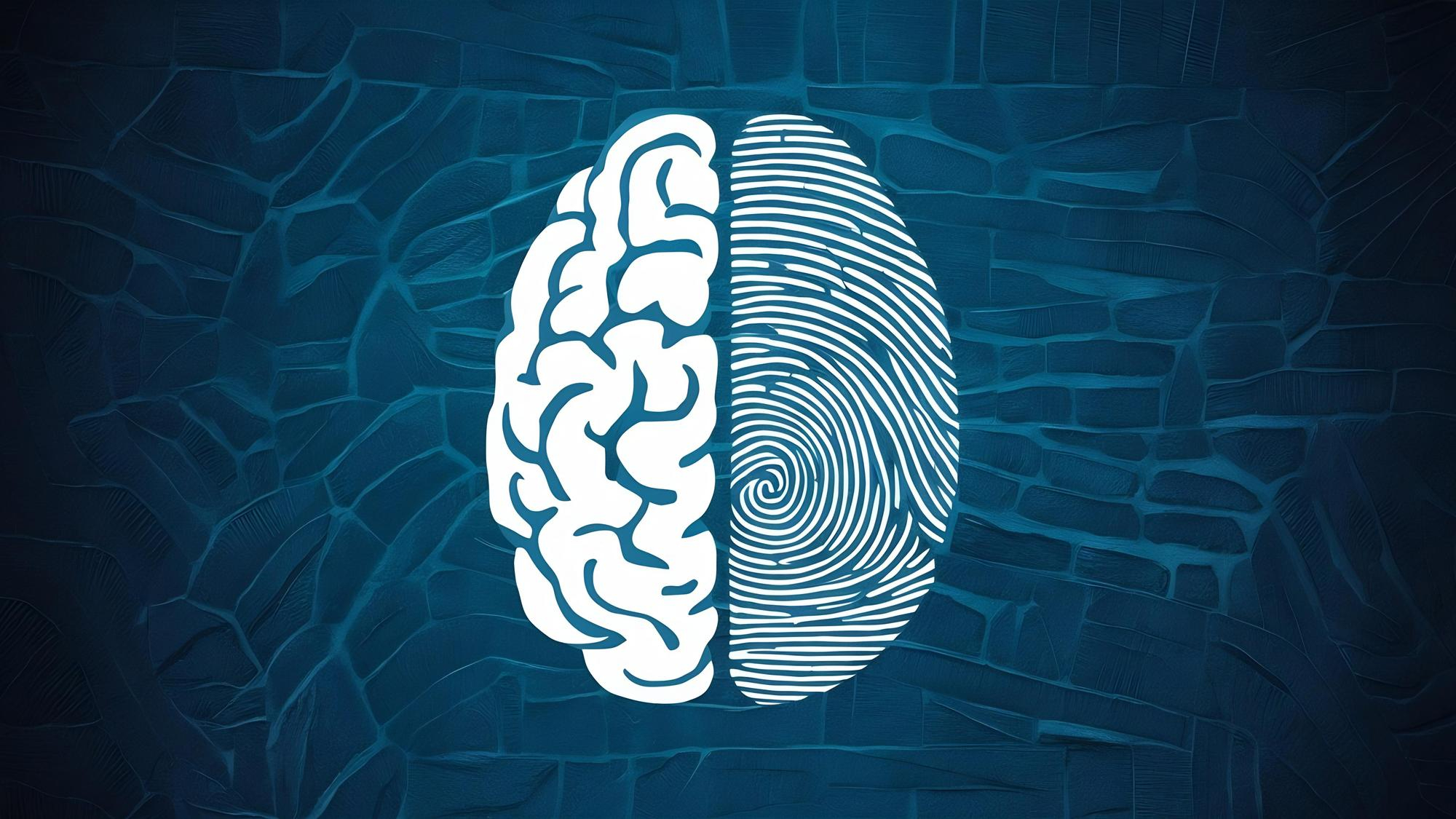
Dermatoglyphics is the scientific study of skin ridge patterns. Neural development in the brain and dermal ridges on the fingers develop simultaneously in the human fetus between the 13th and 21st weeks of gestation. Because both systems share the same genetic blueprint, ridge patterns correlate directly with brain lobe development and neural distribution. DMIT does not predict the future (it is not palmistry); it maps inherent neurological design.
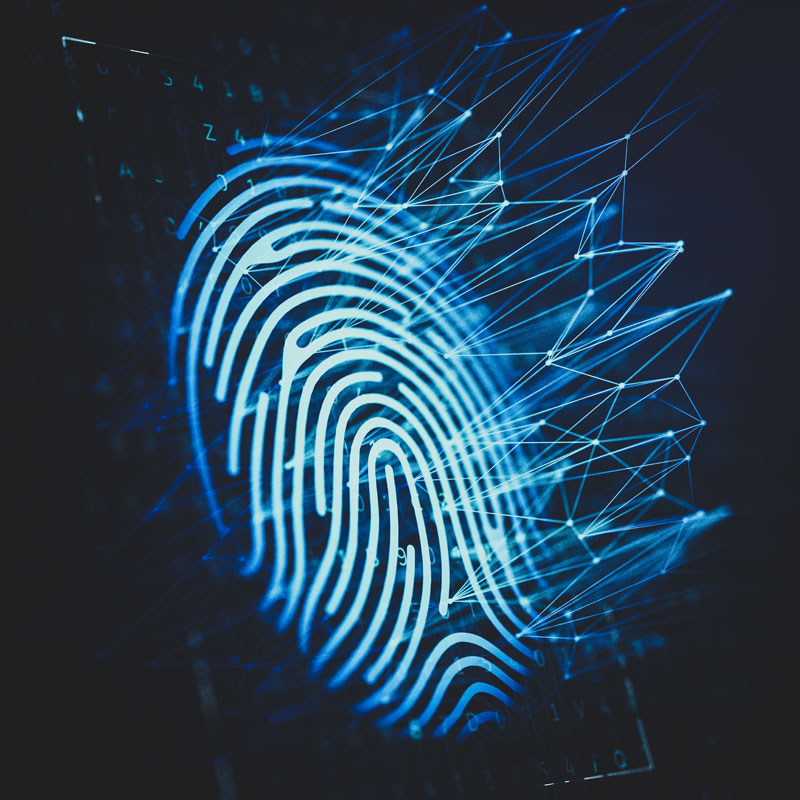
DMIT is a biometric analysis of fingerprint patterns that provide deep insights into an individual’s innate abilities, natural Strengths, personality Traits, learning Styles and many more.
It acts as a scientific tool for personal and professional development, enabling individuals and organizations to make informed decisions.
Benefits of DMIT
- Identifies Inborn Potential: Uncovers a student’s innate talents and intelligence distribution across Howard Gardner’s 8 Multiple Intelligences (e.g., Logical-Mathematical, Spatial, Linguistic, Interpersonal) rather than relying only on academic marks. Clarity in career and life decisions
- Primary Learning Style: Reveals whether a child is a Visual, Auditory, or Kinesthetic (VAK) learner, allowing parents and educators to tailor study methods for faster absorption and higher exam scores.
- Maps Brain Dominance: Identifies Left-Brain (analytical, structured, logical) vs. Right-Brain (creative, intuitive, holistic) dominance to optimize learning strategies and emotional management.
- Stream & Career Guidance: Helps to choose the right academic stream (Science, Commerce, Arts) based on biological capability.
- Lifetime Consistency: Because fingerprint patterns never change, a DMIT report provides a permanent baseline of innate strengths that remains valid throughout a person’s life.
- Improves Parent-Child Relationships: Helps parents understand their child’s natural personality type (e.g., Dominant, Influential, Steady, Compliant), reducing conflict and shifting parenting from confrontation to collaboration.

Psychometric Assessment
A psychometric assessment is a scientifically standardized evaluation tool used to measure an individual’s mental capabilities, behavioral style, personality traits, and career interests. It evaluates how a person thinks, processes information, solves problems, and responds to different environments.
Benefits of Psychometric Assessment
- Aptitude & Cognitive Ability : Evaluates intellectual skills such as logical reasoning, numerical ability, verbal comprehension, spatial awareness, and problem-solving speed.
- Personality Profiling: Assesses behavioral tendencies, emotional stability, decision-making styles, and social preferences
- Interest & Values (Vocational Profile): Identifies intrinsic motivations, work values, and career preferences (based on Holland’s RIASEC model) to match individuals with suitable fields.
- Emotional Intelligence (EQ): Measures self-awareness, empathy, stress management, and interpersonal adaptation skills.
Things you should know
DMIT can be taken by anyone above age of 3 years, but the takeaways differ by age:
- Ages 3–10: Helps parents identify early learning styles and behavioral tendencies.
- Ages 10 and above: Guides stream selection (Science, Commerce, Arts), exam study techniques, and career pathways.
- Adults: Aids in understanding career compatibility, stress management, and personal development.
Parents of school children, Teens choosing streams or careers, Professionals want to bridge the gap between Passion and Profession, Business Partners, couples, Career guidance seekers
No. Fingerprint ridge patterns are formed before birth and remain permanent throughout an individual’s lifetime. Therefore, a DMIT report yields a fixed, one-time baseline of innate potential.
Reputed DMIT assessments carry a high structural reliability of 85% to 90%. However, accuracy depends heavily on the precision of the biometric scanning tool and the expertise of the certified counselor interpreting the report for the family.
No. DMIT is a directional roadmap, not a shortcut. It reveals where a child has natural potential, allowing them to channel their efforts effectively rather than wasting energy in areas counter to their natural wiring. Hard work, practice, and discipline remain essential for success.
Yes, it is 100% non-invasive, safe, and takes only 10–15 minutes. It involves placing all 10 fingers on a digital optical scanner to capture ridge patterns without ink or pain.
DMIT is an educational and personal development profiling tool, not a medical or clinical diagnostic instrument. While low scores in specific intelligences might indicate areas that need extra attention, it cannot be used to diagnose conditions like dyslexia or ADHD.
No. Psychometric tests are designed to capture authentic behavior and natural reasoning skills. Standardized assessments include internal consistency checks and “social desirability” scales to detect when a student is answering dishonestly or choosing options just to look good. The best preparation is to answer honestly and naturally.
Yes. Psychometric tests measure acquired and developed traits. As a student in 8th to 12th grade matures, gains new experiences, learns new skills, or expands their interest horizons, their assessment profile can evolve. Re-evaluating every 1 to 2 years is common practice during high school.
It is a career oriented Psychometric assessment. It is most effective for students in Grades 8 to 12 (ages 13 to 18). This age window allows enough time to explore academic options, fix cognitive gaps, and build career roadmaps before college admissions.
It is an online assessment which takes between 20 to 25 minutes and can be completed on a computer or tablet in a quiet environment. It is divided into timed aptitude sections (math, logic, verbal) and untimed personality/interest questionnaires.
The generated report provides standard scores and percentile rankings comparing the student against a normative benchmark. A certified career counselor interprets these complex graphs to identify career clusters, pinpoint skill gaps, suggest entrance exams, and design personalized study routines for the student and parents.

DMIT Lifetime report, DMIT Personality Report, DMIT HR Report, DMIT Compatibility Report, Psychometric Report
- Enquire on Journey
- WhatsApp: +91 98765 43210
 WhatsApp: +91 98765 43210
CONSULTING INQUIRY
Initiate Your Analysis
Reserve your consultation slot below. Our practice lead will reach out to you within 24 business hours to organize logistics.

